臺中忠明高中校外教學|314 人的《覓情記》淡水探索Zhongming High School Field Trip: 314 Players Explore Tamsui with The Journey of Guji
策劃概念Concept
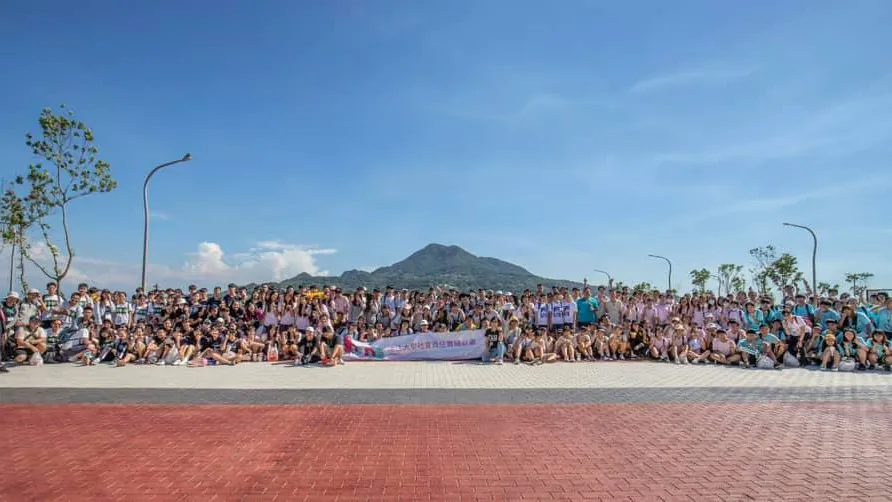
2019 年底,臺中忠明高中的歷史老師希望用實境遊戲《覓情記》帶學生來淡水校外教學,作為 108 課綱「探索與實作」的課程體驗。原本規劃在 2020 年 2 月 14 日情人節,帶高一、高二共 18 個班、640 位師生前來;疫情爆發後活動延期,最後在 6 月 16 日,314 位高一師生、共 9 個班級,清晨 7 點半從臺中出發,一路向北來到淡水。
In late 2019, a history teacher at Taichung Zhongming Senior High School wanted to bring students to Tamsui on a field trip built around our alternate reality game The Journey of Guji, as hands-on learning for the new curriculum’s “exploration and practice” courses.The original plan was Valentine’s Day 2020, with 640 students and teachers from 18 classes; the pandemic postponed it, and on 16 June, 314 first-year students and teachers from 9 classes set off from Taichung at 7:30 a.m., heading north to Tamsui.
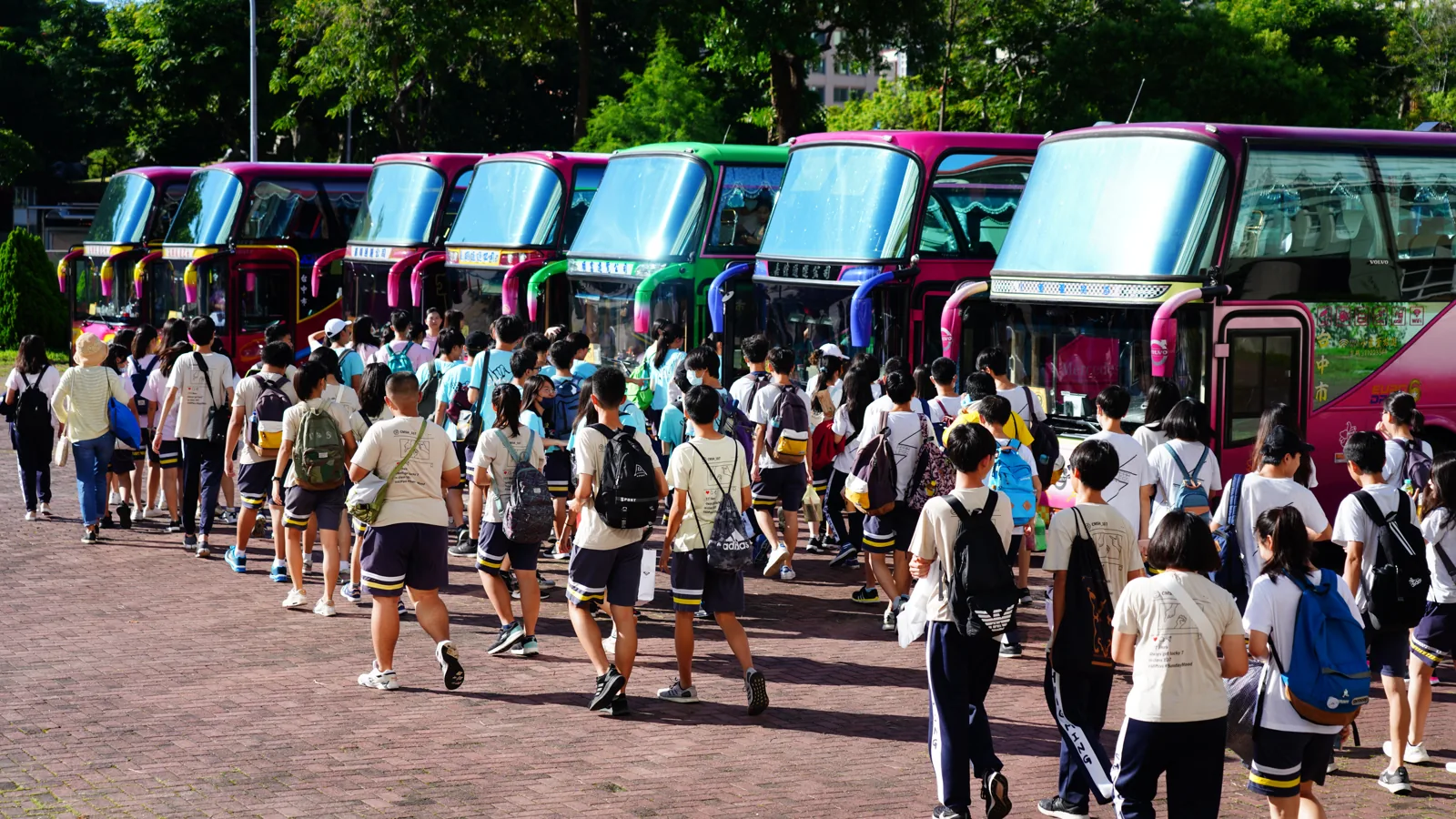
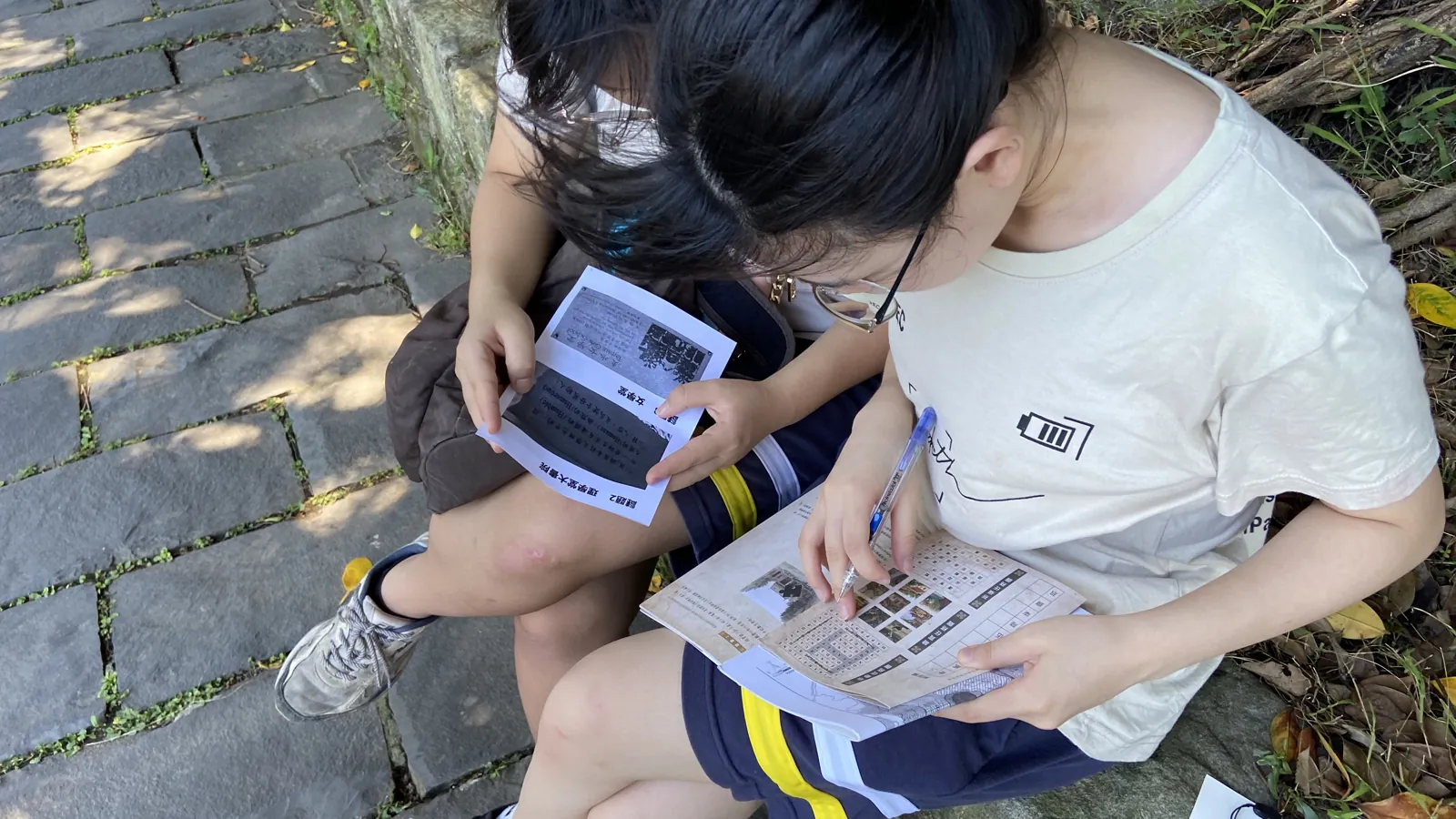
傳統的校外教學,多半是導覽員講、學生跟著走、拍照打卡後上車。我相信學生不是被帶著看的觀眾,而可以是主動探索的玩家:實境遊戲把文史藏進謎題,學生得自己觀察、提問、找答案,這正是 108 課綱「探索與實作」想培養的能力,也能成為他們學習歷程的素材。
A typical field trip means a guide talks, students follow, take photos and get back on the coach. I believe students aren’t an audience to be led around — they can be players exploring on their own.An alternate reality game hides history inside puzzles, so students have to observe, ask questions and find answers themselves — exactly the skills the new curriculum’s “exploration and practice” aims to build, and material for their learning portfolios.
但三百多位高中生同一天湧入老街,人潮對地方是兩面刃。我把這個專案當成一個服務設計的題目:如何讓學生玩得盡興、學到東西,同時讓學校達成課程目標、讓地方真正受益,而不是只承受人潮?我負責整體企劃與服務流程設計、分流用的 Web App、手滬券的店家洽談,以及工作人員的教育訓練。
But with over 300 students arriving in the old streets on one day, crowds cut both ways for a town.I treated the project as a service design problem: how could students have fun and learn, the school meet its curriculum goals, and the town actually benefit rather than just absorb the crowds?I led the overall planning and service flow design, the web app used to split the crowd, negotiations with shops for the Shou-Hu coupons, and staff training.
從 2020 年 1 月起,我們就開始前期投入:徵集 30 位大學生志工,前往臺中向 18 位帶班導師說明活動的規劃與操作,並協助 2 位老師先到淡水進行田野調查與路線場勘。讓老師先玩過、走過,他們才能放心把學生交給這場遊戲。
Groundwork began in January 2020: we recruited 30 university student volunteers, travelled to Taichung to brief 18 homeroom teachers on how the day would work, and helped two teachers do field research and walk the routes in Tamsui first.Once teachers had played and walked it themselves, they could trust the game with their students.
讓三百人不擠在同一條街Keeping 300 people off the same street
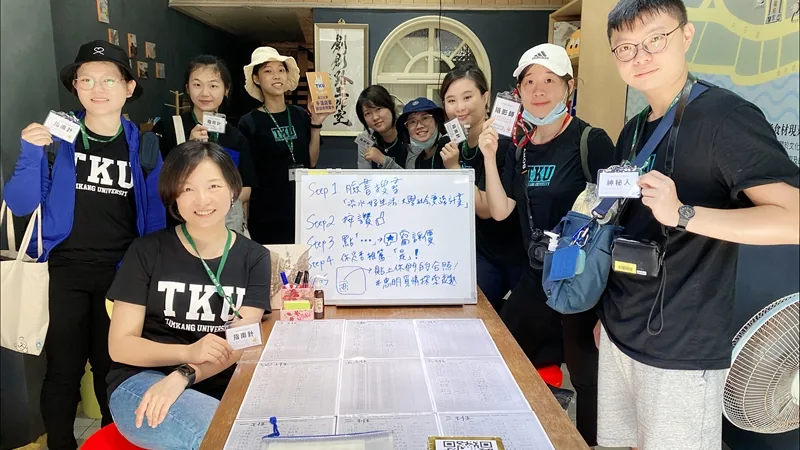
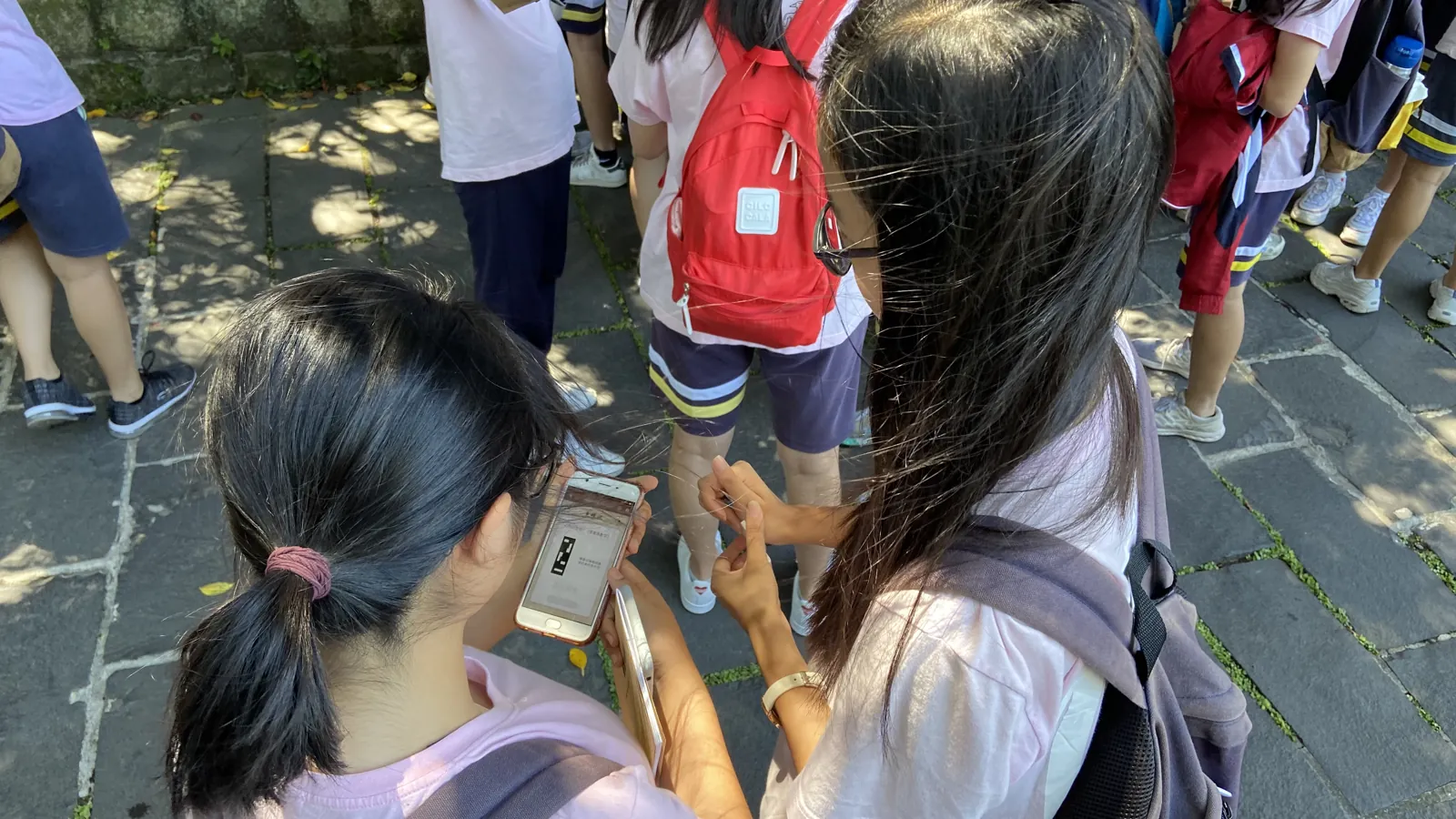
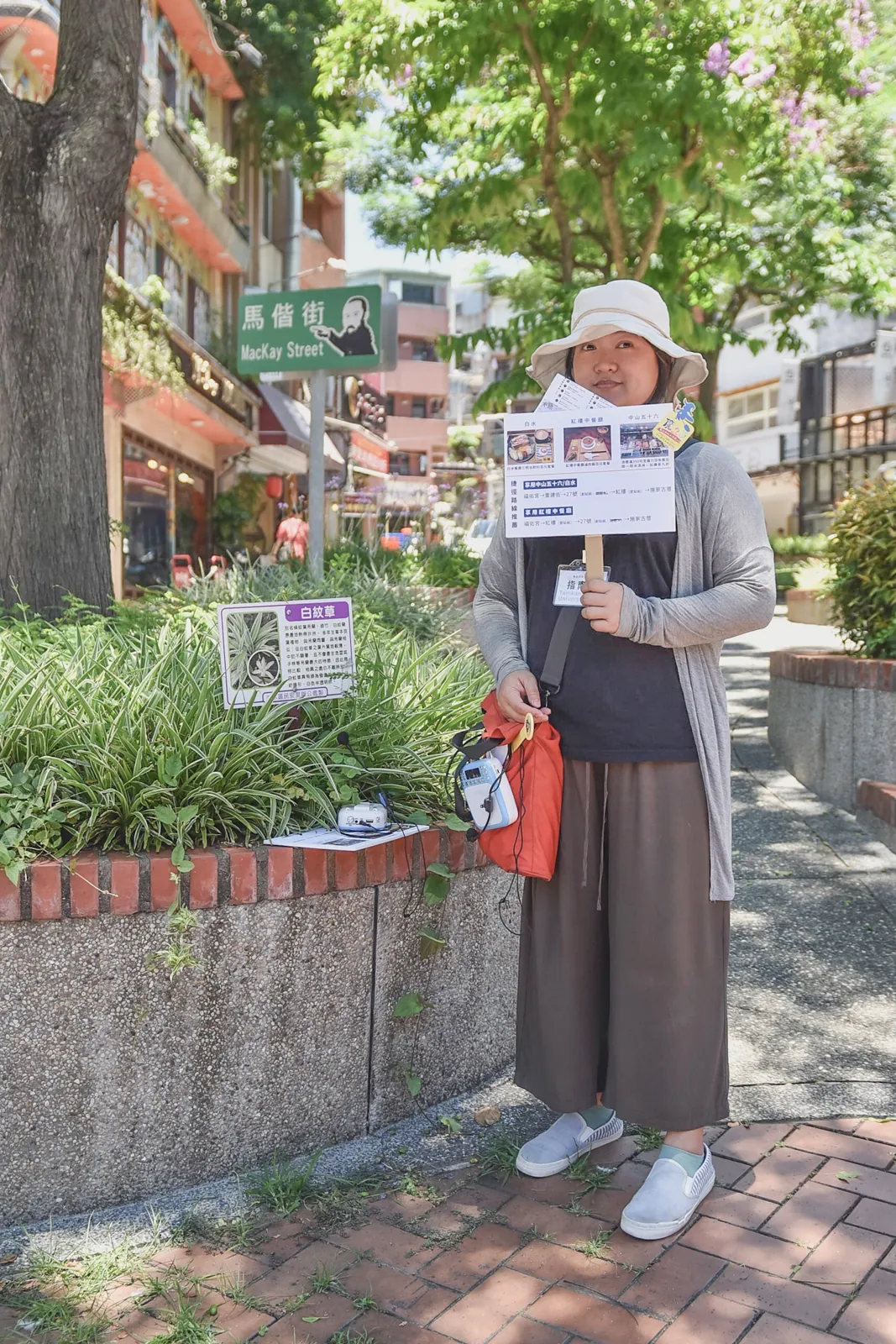
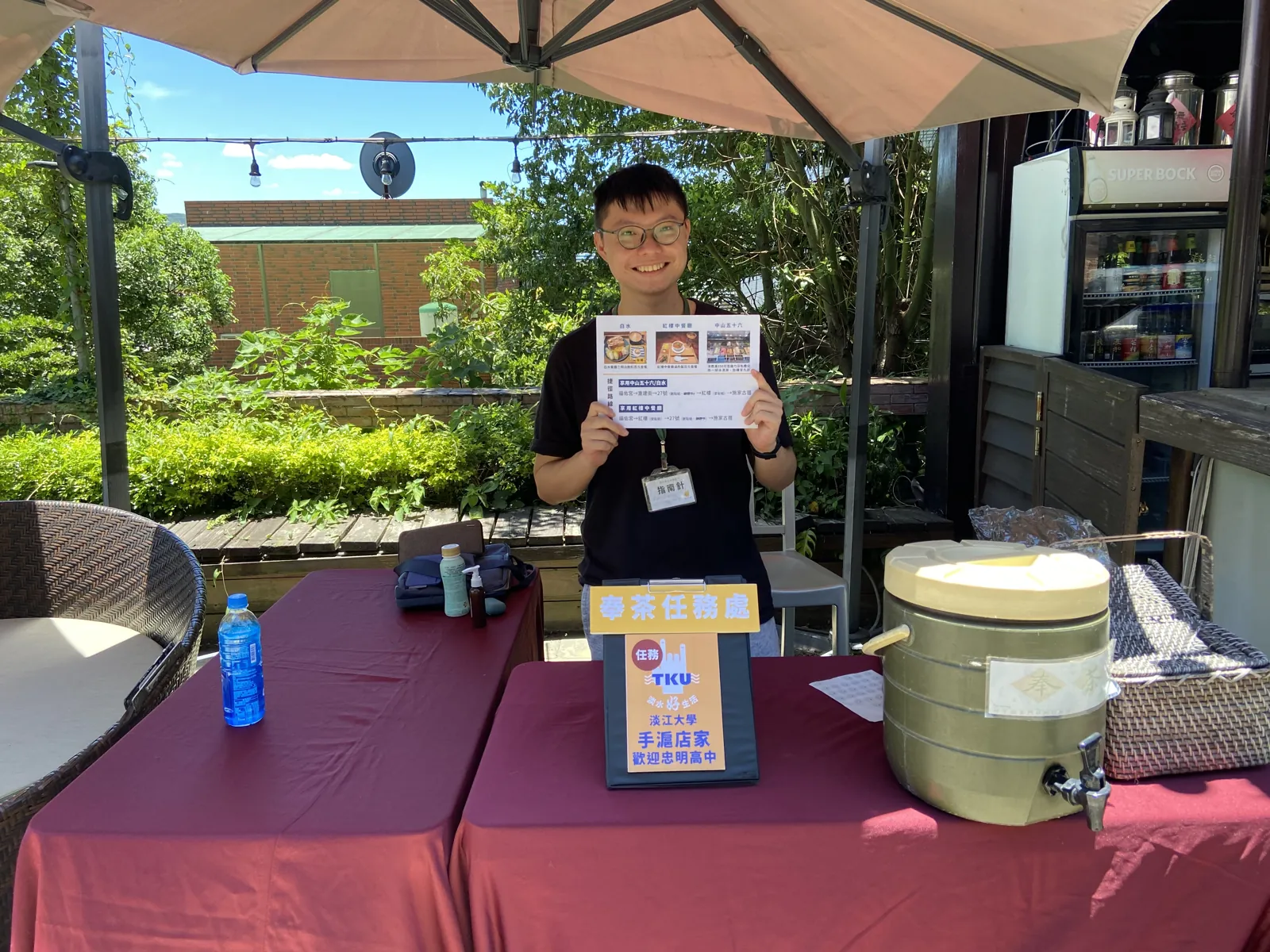
我們不想用大聲公和排隊來管理三百人,而是把秩序藏進遊戲裡。學生在不同的下車點出發、錯開用餐時間;開場時兩人一組掃描 QR Code,由 Web App 隨機抽出「機會」或「命運」,決定先從哪一關開始。對學生來說這是遊戲的一部分,對我們來說,這就是分流。沿路的工作人員也不是「管理者」,而是故事裡的「指南針」:16 位穿著黑色 TKU 上衣、綁著氣球的大學生,學生卡關時可以求救,工作人員之間再以對講機即時調度人流,讓沉浸感不被打斷。
We didn’t want to manage 300 people with megaphones and queues — we wanted to hide the order inside the game.Students started from different drop-off points and ate lunch at staggered times; at the start, each pair scanned a QR code and our web app randomly drew “Chance” or “Destiny” to decide which stage they began at.To students it was part of the game; to us, it was crowd control.The staff along the route weren’t “managers” either but “compasses” in the story — 16 university students in black TKU shirts with balloons, there to help when students got stuck — while walkie-talkies let us steer the flow in real time without breaking the immersion.
把校外教學寫成一個故事Writing the field trip as a story
高中生最怕的,是「又是一堂歷史課」。所以我讓整趟旅程從出發前就開始,把它包裝成一個故事:主角「谷基」誤闖時空秘境,打亂了爺爺奶奶的命運,必須在 4 小時內解開《覓情記》的謎題,否則兩人將錯過彼此,谷基也會從世界上消失。活動前,我們先寄出一封「神秘人」寫給谷基的信,連同遊戲書與行前提醒一起送到學校;當天每位玩家蓋上「手章印記」才算加入遊戲,完成特殊任務、蒐集手滬貼紙解出一句話,下午三點前到終點換取神秘物件。四小時的倒數製造緊張感,兩人一組的「生命共同體」讓學生互相合作,也確保沒有人落單。
What high schoolers dread most is “another history lesson.” So I made the journey start before they even left, wrapping it in a story: the hero, Guji, has stumbled into a time warp and scrambled his grandparents’ fate — he has four hours to solve the puzzles in The Journey of Guji, or they will never meet and he will vanish from the world.Before the trip, we mailed the school a letter to Guji from a “mysterious stranger,” along with the game books and practical reminders.On the day, each player joined the game by getting a hand stamp, completed special missions, collected Shou-Hu stickers to decode a hidden sentence, and had to reach the finish by 3 p.m. to claim a mysterious object.The four-hour countdown created tension, and pairing students as a “shared fate” team made them work together — and made sure no one was left alone.
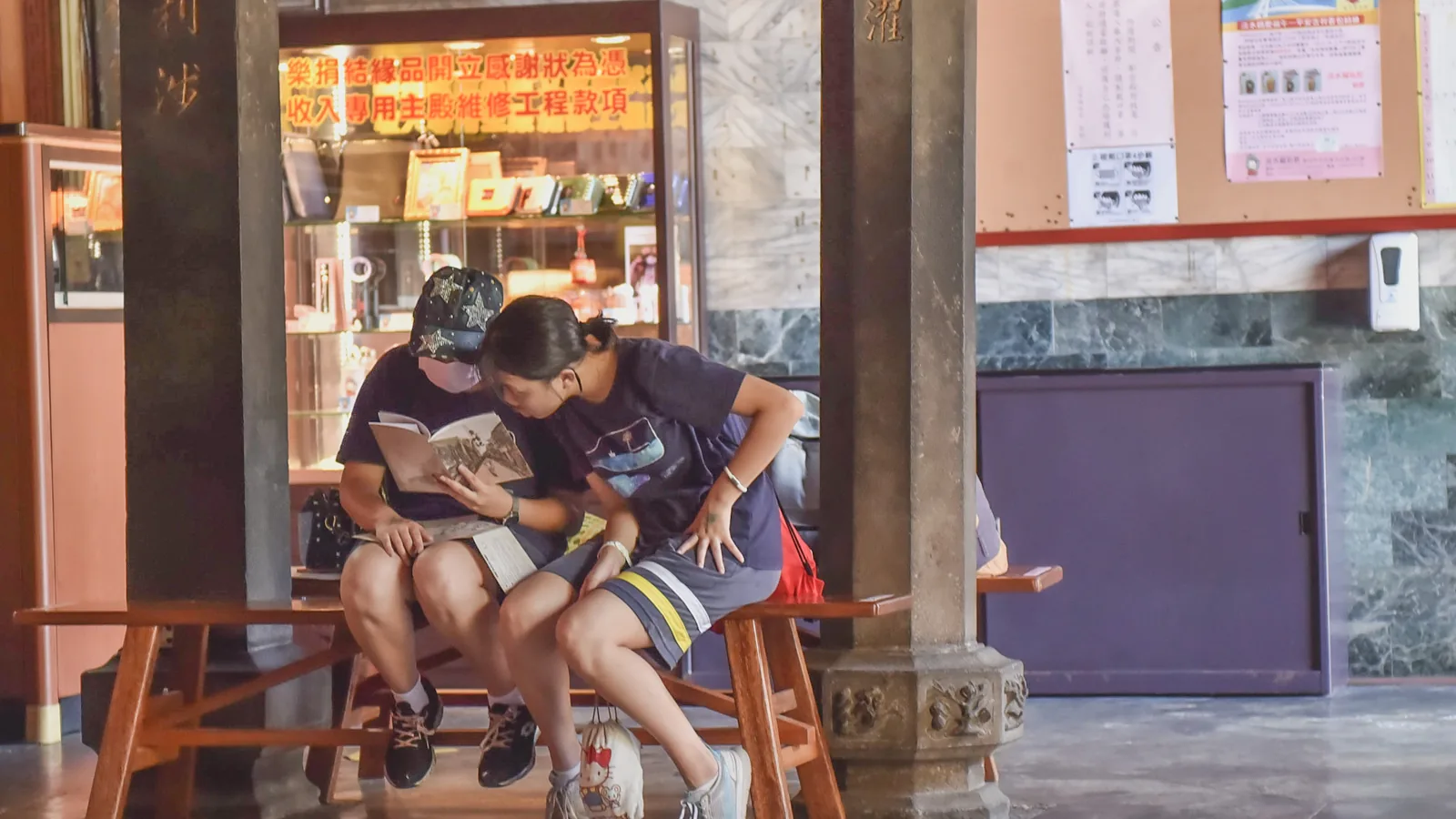
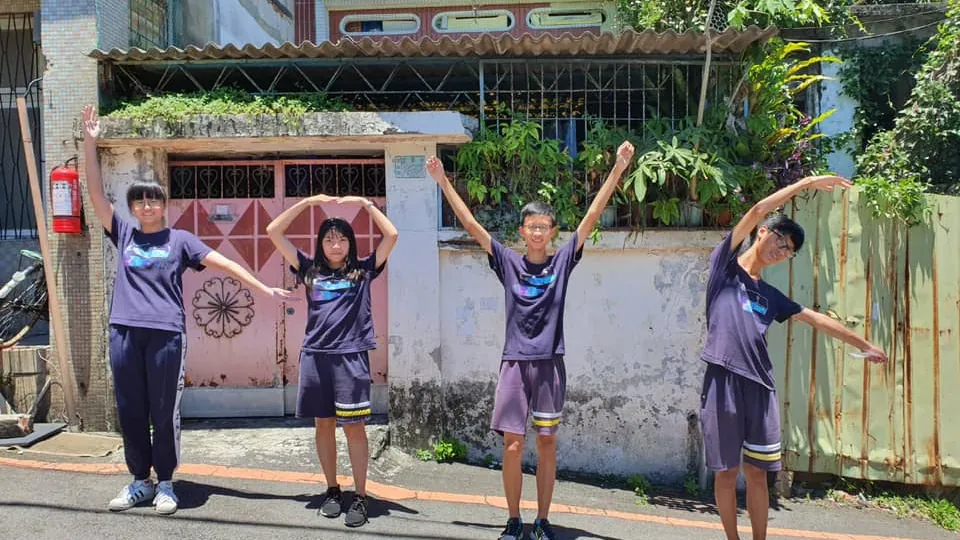
我也希望學生不只「看」淡水,而是和這個地方發生關係。其中一個任務是「愛有幾種可能」:兩人一組,在街角用身體比出愛心。學生要自己找場景、想動作,產出屬於自己的作品;這些照片成了他們最喜歡的回憶,也讓淡水的巷弄被一張張拍進他們的相簿裡。
I also wanted students to do more than look at Tamsui — I wanted them to connect with it. One mission was “How many ways can love look?”: each pair made a heart with their bodies on a street corner.Students had to pick the spot and invent the pose themselves, creating something of their own; the photos became their favourite memories — and put Tamsui’s lanes into their albums, one shot at a time.
 1 / 8
手滬券:讓校外教學的錢留在淡水Shou-Hu coupons: keeping field-trip money in Tamsui
校外教學常常是遊覽車來、遊覽車走,錢流向連鎖餐廳與紀念品店,地方小店得到的只有人潮。我們從側面了解到,大多數學生是第一次來淡水,家長會給 500 到 1,000 元不等的零用金:學生身上其實帶著消費力,問題是這些錢會花在哪裡。我延續「手滬」守護地方的理念,把學生原本就要繳的 100 元預先「綁定」在淡水:每兩人拿到四張面額 50 元的手滬券,只能在合作的在地店家使用。一張券往往會帶動同行同學一起消費,讓小店真正接住這波人潮。
Field trips often mean a coach arrives and leaves, the money goes to chain restaurants and souvenir shops, and small local shops get nothing but crowds.We learned that most students were visiting Tamsui for the first time, with NT$500–1,000 of pocket money from their parents: they carried real spending power — the question was where it would go.Extending the Shou-Hu idea of guarding the local, I “locked” the NT$100 each student was already paying into Tamsui: every pair received four NT$50 Shou-Hu coupons, usable only at partner shops.One coupon often brought classmates in to spend alongside, so small shops could truly catch the wave of visitors.
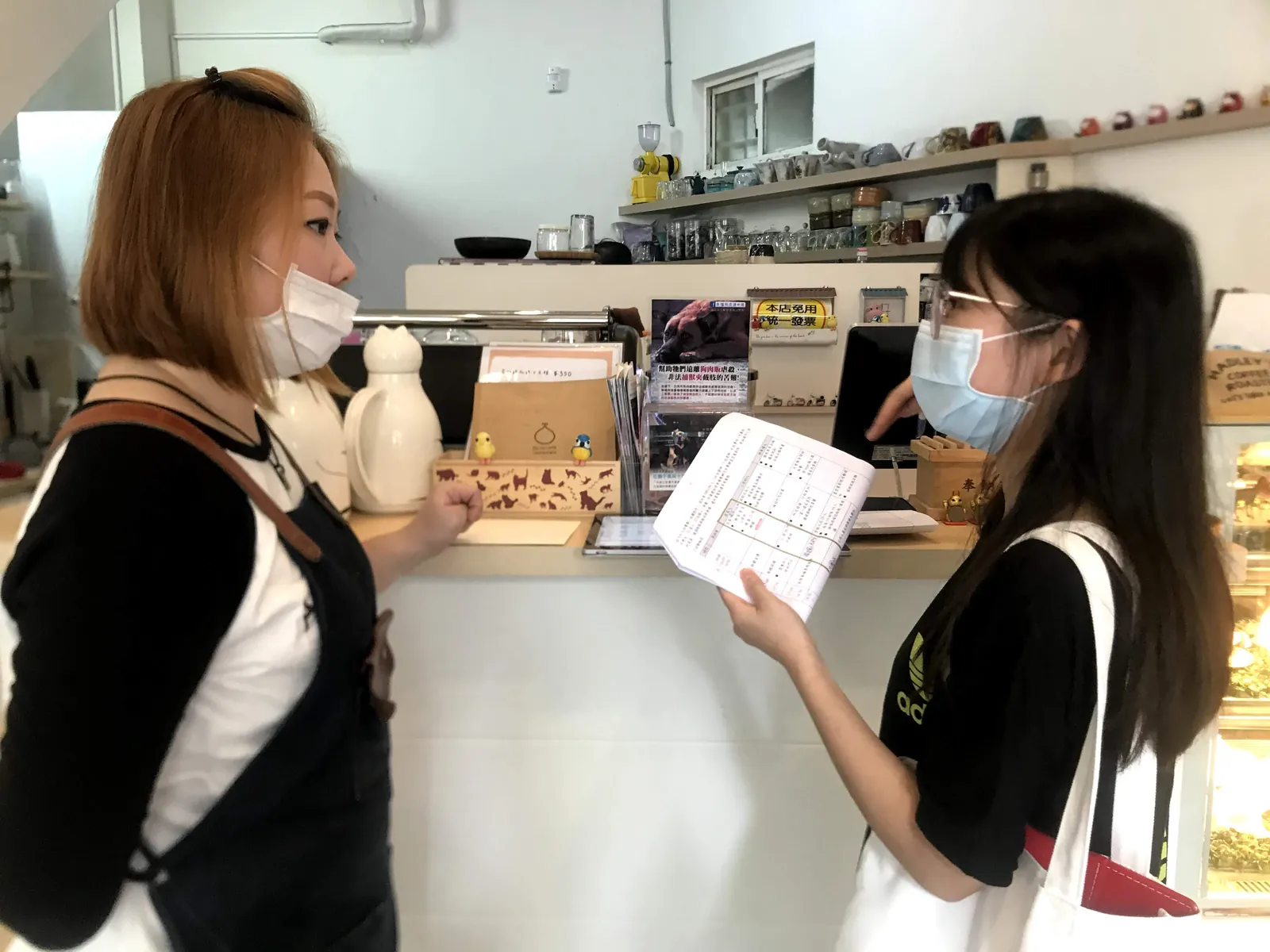
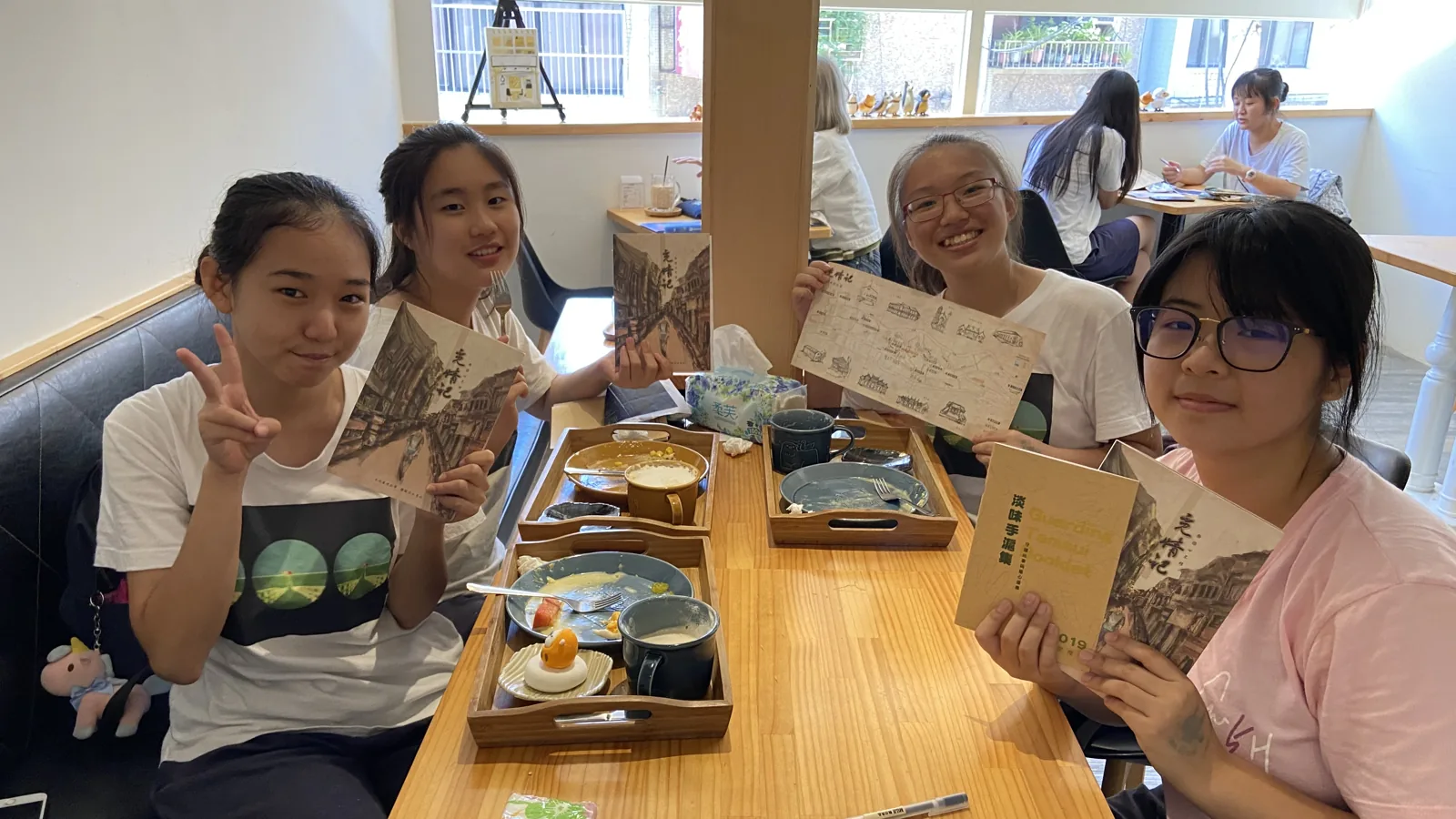
選店時,我們挑的是最能代表淡水生活的店:咖啡館、老字號魚酥、在地禮品店與手路菜館。事前走訪近 20 家店、一一說明理念,最後與 10 家店合作;有些店家還特別為學生推出百元套餐、備好茶飲。我希望學生是真的走進店裡、和店家說上話,而不只是外帶就走。加上學生的零用金,當天粗估為淡水街區帶來約 20 萬元的消費。
We chose shops that best represent everyday Tamsui: cafés, long-established fish-cracker makers, local gift shops and home-style restaurants.We visited nearly 20 shops to explain the idea and partnered with 10; some created NT$100 set meals or prepared tea especially for the students.I wanted students to actually step inside and talk with the shopkeepers, not just grab takeaway and leave. Together with students’ pocket money, we estimate the day brought around NT$200,000 of spending to Tamsui’s streets.
具體效益Results
- 314 位師生在 42 度高溫下同日走入淡水,透過分流機制與 16 位指南針,兼顧遊戲體驗與街區秩序
- 設計百元手滬券,串聯 10 家在地店家,粗估為淡水街區帶來約 20 萬元消費
- 合作延續:2020 年 8 月帶領 19 位忠明學生進行工作坊,開發 4 套實境遊戲原型,並在 10 月向臺中市民舉辦 4 場解謎式導覽;2023 年忠明高中 64 位師生再訪淡水
- 314 students and teachers explored Tamsui in 42°C heat on one day; the crowd-splitting system and 16 “compasses” balanced the game experience with order on the streets
- Designed NT$100 Shou-Hu coupons for 10 local shops, bringing an estimated NT$200,000 of spending to Tamsui
- A lasting partnership: in August 2020 we led 19 Zhongming students in a workshop that produced 4 alternate reality game prototypes, followed by 4 public puzzle tours for Taichung residents in October; in 2023, 64 students and teachers from Zhongming returned to Tamsui
對我來說,一場校外教學的成功,不在於當天來了多少人,而在於關係能不能延續。這次合作後,忠明高中的學生從玩家變成設計者,在臺中創作自己的實境遊戲、帶領民眾導覽家鄉。
To me, a field trip succeeds not by how many people came that day, but by whether the relationship continues.After this trip, Zhongming students went from players to designers — creating their own games in Taichung and guiding the public around their hometown.
延伸閱讀:〈臺中刑務所環境遊戲創作工作坊〉
Related: Taichung Prison Workshop
行動團隊Team
計畫主責|涂敏芬
Project lead | Min-Fen Tu
核心成員|劉宇萱、陳怡如
Core team | Yu-Hsuan Liu, Yi-Ju Chen
計畫支持|黃瑞茂、戴孟筑
Support | Jui-Mao Huang, Meng-Chu Tai
合作學校|臺中忠明高中 何佩馨老師
Partner school | Taichung Zhongming Senior High School (teacher Pei-Hsin Ho)